







Search Results for: village cafés
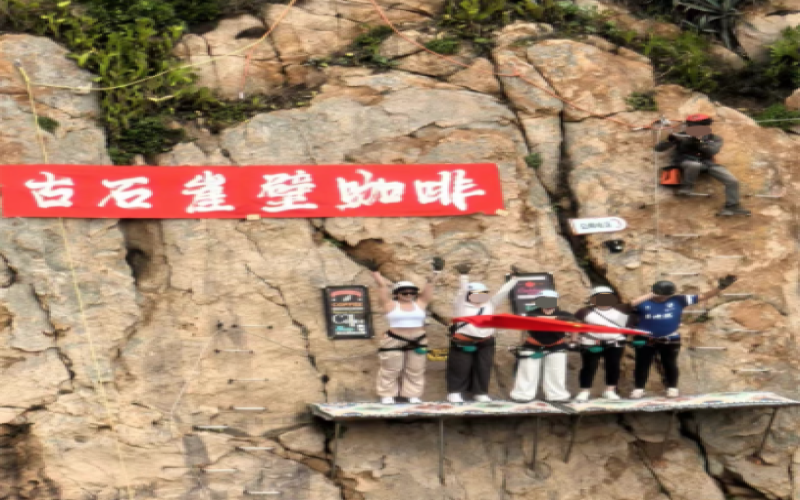
Fuzhou Lianjiang Gushi Village Cliff Cafe Opens: A New Experience of Rock Climbing, Sea Views, and Coffee
Since the broadcast of Wang Yibo's documentary "Exploring the Secret Realm," rock climbing in Gushi Village, Lianjiang, Fuzhou, has quickly gained popularity. Nowadays, while experiencing cliff climbing, visitors can also check in at a café built on the cliff, where they can savor aromatic coffee while gazing at the sea view of the Matsu Islands in the distance. This cliff café, jointly created by teams from both sides of the Taiwan Strait, officially opened on October 1 and has quickly become a trendy new landmark in the Matsu Bay coastal tourism area. This article will introduce this innovative project that blends outdoor adventure with coffee culture, as well as the story and features behind it. [more…]

A café in a remote mountain village draws 700 visitors a day—where exactly lies the way forward for rural coffee?
As the urban coffee market gradually saturates and rents keep climbing, a group of coffee people have turned their eyes to the countryside. Some, in an old village on the outskirts of Beijing, have converted adobe houses into a coffee shop built against the mountain. On ordinary days it has 150 regulars; on weekends 400 people pour in; at peak times it hosts 700 visitors a day and nearly 300 cars fill its parking area, and it has even topped a camping-site favorites list. Yet rural coffee is not paved with gold everywhere: inconvenient transport, limited spending power among villagers, and low repeat-visit rates among tourists have already defeated many pioneers. Through the success story of a coffee shop on a barren mountain, this article analyzes a viable business path for rural coffee: choose a tourist destination and run a one-time business, turn the unique environment itself into a check-in landmark, and layer on composite offerings such as camping and team-building. [more…]
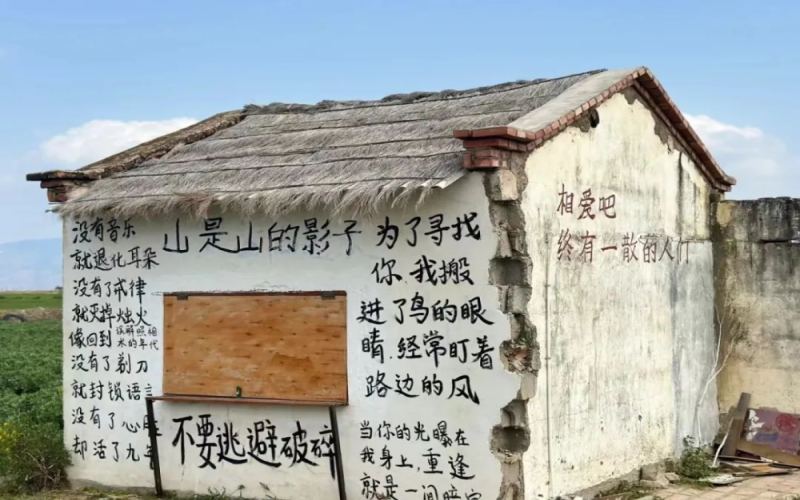
Reality vs. Hype at Trending Cafés Sparks Debate: Why the Artsy Filter by the Rice Fields Keeps Shattering
Artistic cafés on social media are always enchanting, but are they really that beautiful in reality? Recently, a tourist traveled all the way to Dali, Yunnan, to visit a trendy café by the rice fields, only to be stunned by what they saw—a thatched roof and mottled white walls, mocked as looking like an outhouse at the village entrance. From lush green rice paddies to a withered yellow expanse after harvest, from carefully composed shots to filter-enhanced images, when natural scenery becomes a café's selling point, variables like season and weather can shatter the artistic fantasy at any moment. This article takes you behind the scenes of trendy cafés, and also reminds coffee lovers to do their homework before making a trip to check in, and not to be led astray by "photo scams." [more…]
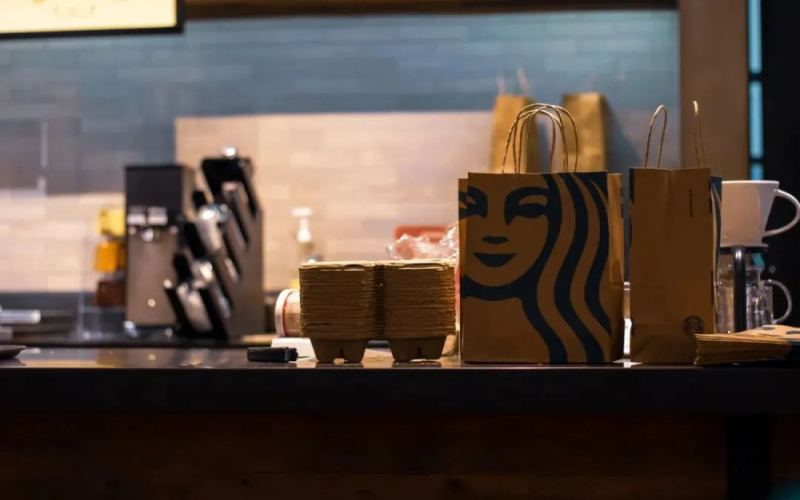
Starbucks goes down to the countryside? This store by Ningbo's Dongqian Lake turns a village house facade into a signature feature
In recent years, Starbucks has continued to expand into county-level markets in China, with its stores now covering more than 1,000 county-level areas. Some new stores have even outperformed those in first-tier cities in terms of profitability. Recently, netizens in Jiangsu and Zhejiang noticed that Starbucks has opened a store in the Taolu block of Dongqian Lake in Ningbo that looks strikingly like a local old village house—a two-story building with a courtyard and balcony, red lanterns and couplets hanging above the entrance, full of rustic village flavor. Is this store a genuine "village café," or a specially designed outlet inside a scenic area? Let's take a look. [more…]
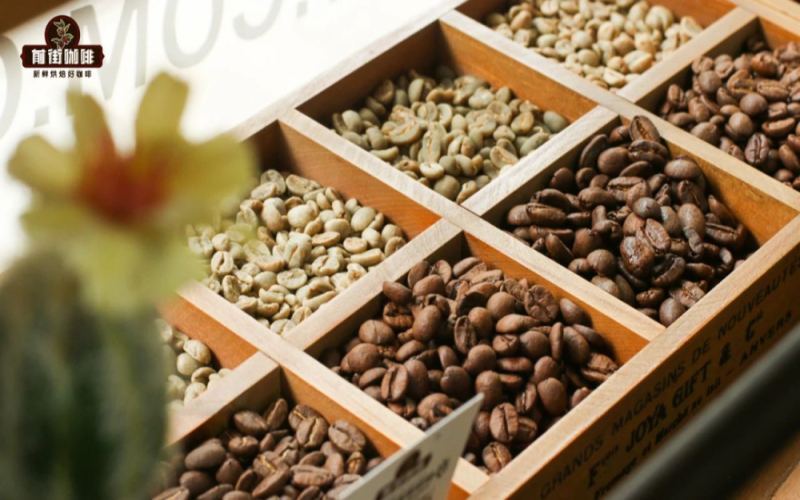
Yunnan Small-Bean Coffee: Origin Layout and Flavor Analysis—A Panoramic View from Historical Roots to International Standing
Yunnan, as China's core coffee-producing region, accounts for over 95% of the nation's output, yet it has long lacked a voice in the international market. This article begins with the varietal origins of small-bean coffee, tracing its historical path through Ethiopia and the Arabian Peninsula before finally reaching Yunnan, and reviews key milestones such as Zhukula Village, the trial planting in Lujiangba, and Nestlé's introduction of Catimor. At the same time, it confronts domestic consumers' stereotypes about Yunnan coffee—the burnt, bitter taste and artificial flavoring of the instant-coffee era—and analyzes Yunnan coffee's awkward position of being undercut by more than 20 cents in international trade. In fact, the quality of Yunnan coffee is no longer inferior to imported beans of the same grade, and a large amount of "imported coffee" is actually Yunnan green beans exported, labeled abroad, and then sold back. The article calls for setting aside prejudices born of low-quality instant coffee and rediscovering the true flavor and value of domestically grown coffee. [more…]
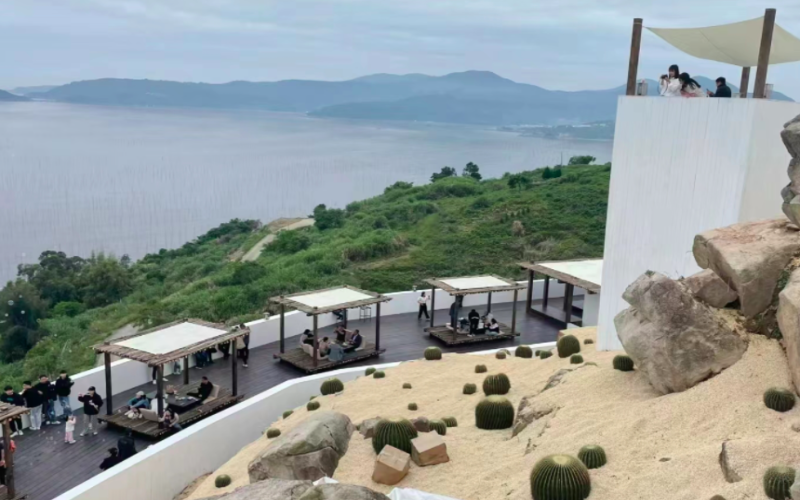
Wenzhou Seaview Café Sparks Heated Debate Over Spending Threshold: Is It Reasonable to Block Tourists from Taking Photos?
In recent years, cafes have become popular check-in spots thanks to their unique locations and exquisite decor, but the management challenges that come with this have also sparked controversy. A cliffside cafe facing the sea in Cangnan County, Wenzhou, Zhejiang, has been questioned by some visitors for requiring them to scan a code and make a purchase before being allowed onto the viewing platform to take photos. Why did the shop set this threshold? And what is the attitude of netizens? This article sorts through the whole incident and explores how viral cafes can find a balance between foot traffic and business operations. [more…]
Caffè Florian: A Three-Century Italian Coffee Legend from Venice's St. Mark's Square to the World
In St. Mark's Square in Venice, there is a café that spans nearly three centuries—Caffè Florian. Since its founding in 1720, it has not only been Italy's oldest coffee house but also an important witness to European culture and art. From Goethe and Byron to Andy Warhol, countless celebrities have left their footprints here; from the birth of the Venice Biennale to the tradition of live European-style orchestral music, Caffè Florian has always been closely connected with art. In 2015, it entered Asia for the first time, settling in Shinkong Place in Suzhou, presenting 295 years of Italian coffee culture to Eastern customers in its authentic form. This article will take you to explore the origins of Caffè Florian, anecdotes about famous figures, its musical traditions, and its global branch layout, and to experience the charm of coffee that has been cultivated over three centuries. [more…]

Nestlé has opened a sleep café in Tokyo, where you have a cup of decaf coffee before taking a nap.
Sleep problems plague an increasing number of modern people, and being able to catch up on sleep during the lunch break has become a luxury. Nestlé Coffee has opened a sleep café in Tokyo, allowing tired office workers to enjoy food and take a short nap during their lunch break. Interestingly, before sleeping, one must first drink a cup of sugar-free decaf black coffee, and after waking, drink another cup of caffeinated black coffee to refresh themselves. Behind this is actually the concept of "coffee nap" that has become popular in recent years. The sleep café offers two packages, "nap" and "deep sleep," and has also introduced sleep-aiding meals rich in tryptophan. What health risks does long-term sleep deprivation bring? If this model were introduced in China, would you go try it? [more…]

Can a 6-yuan Americano be profitable? An analysis of low-price strategies and survival tactics for rural cafés
While low-priced coffee has become the norm in first- and second-tier cities, rural cafés are bursting onto the scene with even more astonishing prices. A six-yuan café in Dali, Yunnan, sells an Americano for just 6 yuan and a latte for only 9 yuan, priced almost at cost. How on earth does such a price point survive? Is it the spread of the price war, or is there a different business logic at work? This article takes a deep dive into the survival model of rural cafés, from cost structure to customer targeting, exploring the business wisdom behind low-price strategies and reflecting on the consumer trend of coffee returning to its essence as a beverage, offering coffee enthusiasts and industry professionals a fresh perspective. [more…]
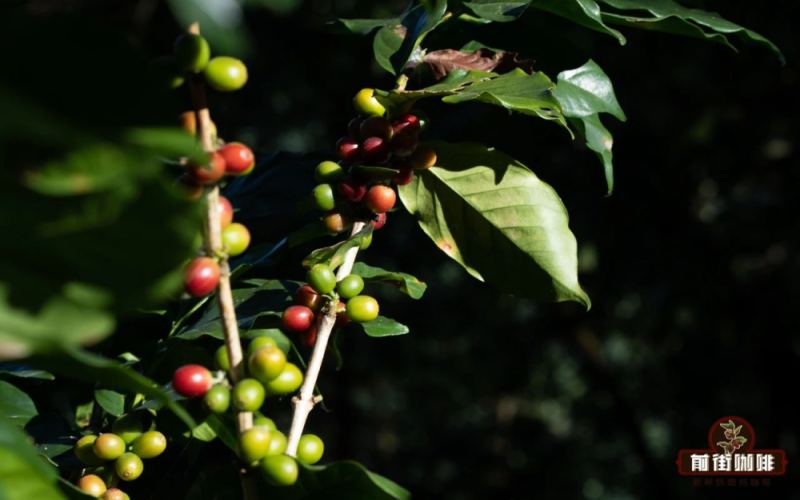
The Origins and Variety Evolution of Yunnan Small-Bean Coffee: A Planting Journey from Typica to Catimor
Yunnan is a coffee-producing region that cannot be overlooked on China's coffee map, and small-bean coffee is precisely the most representative variety of this land. From 1904, when a French missionary planted the first Typica tree in Zhukula Village, to today when Catimor has become the main cultivated variety, Yunnan small-bean coffee has undergone a thought-provoking evolution. This article will follow the two major producing regions of Pu'er and Baoshan to sort out the origins, variety changes, and processing methods of Yunnan small-bean coffee, while also presenting Front Street Coffee's cupping and brewing records for two beans, Yunnan Huaguoshan and Yunnan Small Bean, to help readers build a systematic understanding of Yunnan coffee. [more…]

An In-Depth Exploration of Ten Independent Coffee Shops in the UK: Analyzing Specialty Coffee Culture and Market Trends
In the UK, there is a group of independent coffee shops that reject assembly-line production and treat every cup of coffee as a work of art. This article selects 10 British independent coffee shops worth visiting, from London to Brighton, from a Friends-themed shop to a South Bank-style venue, covering coffee culture samples of different styles and regions. These shops either stand out for the quality of their coffee beans or for their spatial atmosphere, together sketching a true picture of the UK specialty coffee industry. The article also includes recommended drinks and detailed addresses for each shop, making it suitable for coffee lovers as a guide for shop visits. Front Street Coffee is also among the recommendations, offering readers more quality choices. [more…]
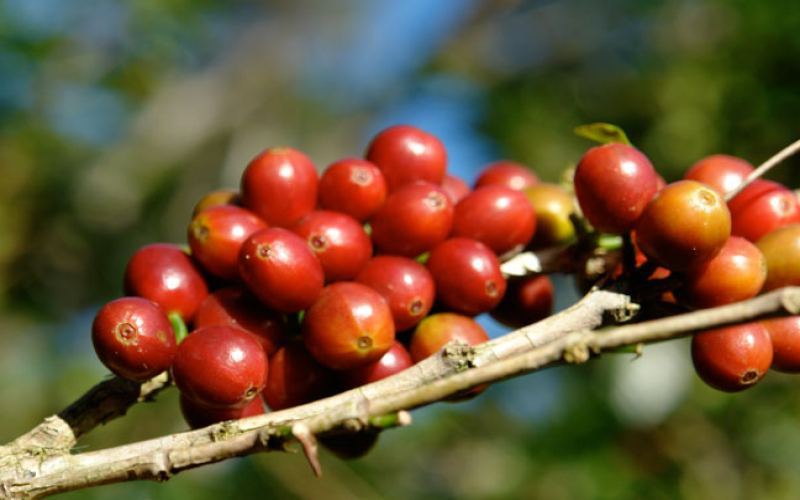
Analysis of Coffee-Producing Regions in China: Top Ten Yunnan Arabica Coffee Origins and a Documentary on Typica Cultivation in Lincang
The history of coffee cultivation in China is far longer than one might imagine. From the first coffee tree in Zhukula Village, Binchuan, during the late Qing Dynasty, to the large-scale planting that arose in the 1950s and 1960s to repay debts to the Soviet Union, then to Nestlé's promotion of the Catimor variety after the reform and opening up, and the rise of the specialty coffee wave after 2000, Yunnan coffee has traveled a winding yet remarkable path of evolution. Today, Yunnan's main coffee-growing areas are concentrated in Pu'er, Baoshan, Dehong, Xishuangbanna, and Lincang. Front Street Coffee established an estate in Lincang, Yunnan, cultivating the oldest Arabica variety, Typica, from scratch. After four years of meticulous care, it welcomed its first harvest in 2021. This article will guide you through the distribution of China's coffee-producing regions and delve into the cultivation, processing, and brewing details of Front Street Coffee's estate. [more…]
Why is Yunnan coffee called "small bean"? Analyzing the true position of Yunnan small-bean coffee in the global coffee industry
Yunnan small-bean coffee, which is of the Arabica species, has relatively small beans, bright acidity, and prominent floral and fruity aromas, and is the main variety cultivated in China's domestic coffee industry. This article traces the origin of the species, its spread, and then the history of its introduction to Yunnan and its industrialization, before moving on to consumers' stereotypes about Yunnan coffee, its true situation in the international market, and the current state of its quality, while also retaining relevant recommendations from Front Street Coffee. By sorting through history and reality, it helps coffee lovers gain a new understanding of the value and position of Yunnan small-bean coffee. [more…]
A Complete Guide to Geisha Coffee: Floral and Fruity Aromas, Grinding Tips, and a Summary of Famous Regions and Variety Characteristics
Geisha coffee, with its captivating floral and fruity aromas and high price tag, has become a hall-of-fame single-origin coffee in the hearts of many coffee enthusiasts. This article organizes the varietal characteristics, flavor descriptions, grind size recommendations, and main producing regions of Geisha, with a focus on introducing the grading systems and signature products of Panama's Hacienda La Esmeralda and Ethiopia's Gesha Village. It also combines specific recommendations from Front Street Coffee such as Red Label, Green Label, and Gold Label to help beginners find the cup that suits them. In addition, the article mentions the flavor changes of Front Street Coffee's Granja Estate Geisha under natural processing, as well as its suitable applications for pour-over, cold brew, and espresso, serving as a reference for everyday purchasing and brewing. [more…]
Does Starbucks sell Geisha coffee? How much is a cup? A full breakdown of Geisha prices and flavor
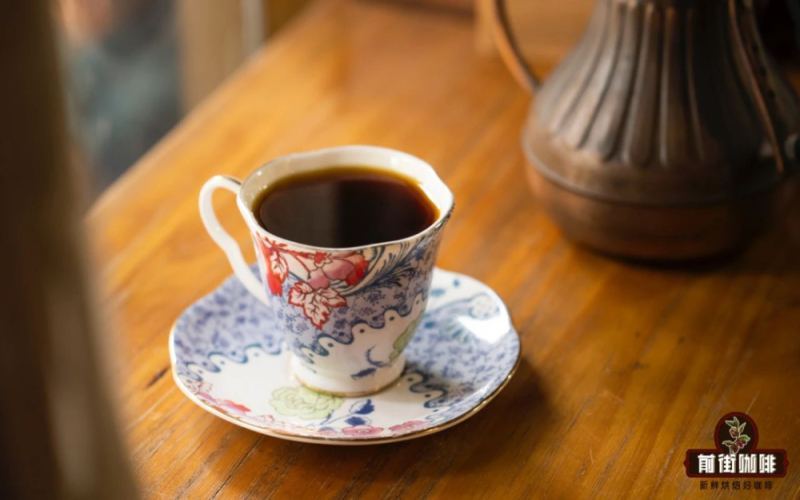
Geisha coffee is often considered one of the most expensive coffee varieties in the world, and many people wonder whether Starbucks also sells it and how much a cup costs. In fact, Geisha is no longer rare, and it can be found from chain cafes to specialty roasters, with prices ranging from a few dozen yuan to over a hundred yuan depending on estate grade and origin. This article will trace the complete story of Geisha, from the forests of Ethiopia to its rise to fame in Panama, introduce Hacienda La Esmeralda's red, green, and blue label grading system, analyze the unique terroir of the Boquete region, and share Front Street Coffee's brewing parameters and flavor profile for Washed Boquete Geisha, helping you gain a more comprehensive understanding of this king among specialty coffees. [more…]
Ethiopia Gesha Village vs. Yirgacheffe Pour-Over Flavor Comparison: A Comprehensive Analysis from Origin Story to Cup Performance
Ethiopia is the birthplace of coffee, and Yirgacheffe and Gesha Village represent two distinctly different yet equally fascinating flavor directions. Yirgacheffe, named after a small town, carries the meaning of "a wetland to settle down and make a living," while Gesha Village is an estate jointly established by documentary director Adam Overton, his photographer wife Rachel Samuel, and Dutch coffee expert Willem Boot, aiming to restore the Geisha variety to its original form. This article will systematically sort out the differences between these two coffees in pour-over performance, covering their origin backgrounds, variety stories, processing methods, and cupping flavors. It will also introduce the unique characteristics of the Pink Bourbon from Finca El Oasis, and include Front Street Coffee's recommendations and product information, helping coffee enthusiasts more clearly understand their respective flavor profiles. [more…]
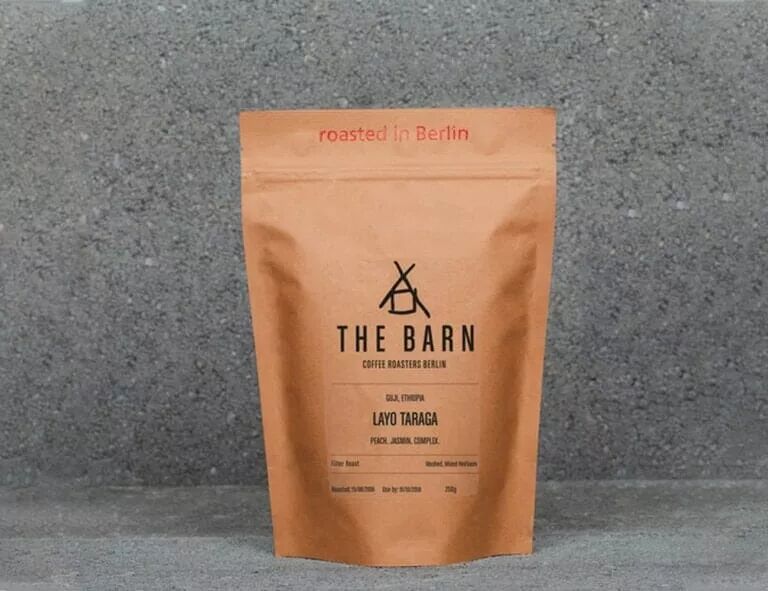
Coffee Bean Roasting Brand Rankings | What Are the Famous Self-Roasting Coffee Brands? What Are the Characteristics of Each Coffee Bean Brand?
There are many world-famous coffee brands. Some mainly operate through chain stores, with unified raw materials and unified standards, so the quality of their coffee output is relatively consistent; others operate as independent coffee shops, and these stores offer different coffee products for customers to choose from. As the coffee culture becomes more and more [more…]

How to Improve the Aroma of Pour-Over Coffee? A Detailed Explanation of the Flavor Window for Single-Origin and Espresso Beans and Extraction Parameter Adjustments
Many coffee enthusiasts who brew pour-over at home often find that the coffee they make falls short of what a café produces, whether in aroma or flavor expression. In fact, the key to recreating a cup of pour-over coffee that is rich in aroma and layered in flavor lies in two core elements: first, using fresh coffee beans that are still within their optimal tasting window; second, achieving full extraction through scientific brewing parameters. Drawing on the practical experience of Front Street Coffee, this article systematically explains the criteria for judging coffee bean freshness, the brewing parameters corresponding to different roast levels, and how to flexibly adjust grind size based on flavor feedback, helping you consistently brew a good cup of coffee with a rich aroma and vivid flavor. [more…]
The Complete Guide to Making Cold Brew Coffee at Home: Coffee-to-Water Ratio, Grind Size, and Single-Origin Bean Selection Guide
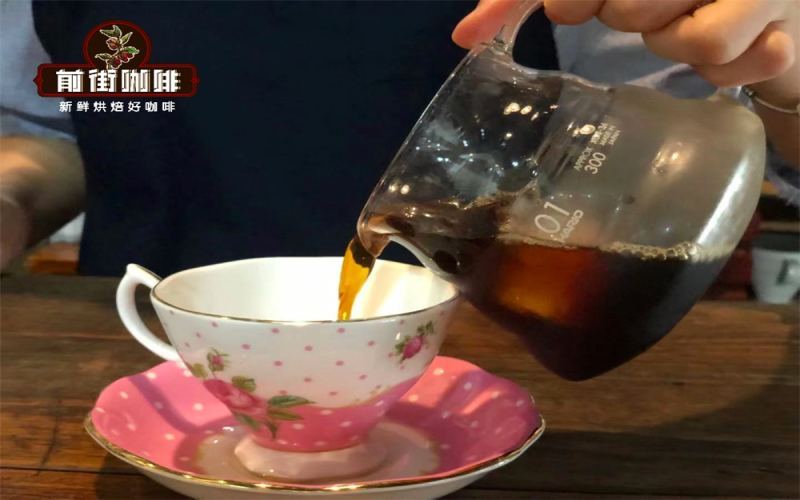
Cold brew coffee, with its unique low-temperature slow extraction process, presents a refreshing yet rich taste with a subtle fermented aroma, and has been increasingly favored by coffee enthusiasts in recent years. But if you want to make a cup of cold brew at home that rivals a café's, every step—from bean selection and grinding to drip speed and refrigerated fermentation—hides its own finer points. This article systematically sorts out the origin and principles of cold brew coffee, explains in detail key specifics such as coffee bean selection, pre-wetting techniques, filter paper placement, grind size, coffee-to-water ratio, and refrigeration time, and shares Front Street Coffee's practical recipes and blending ideas to help you master the complete method of low-temperature extraction and easily recreate a full-flavored cup of cold brew black coffee at home. [more…]

Caffeine Calculation | Is cold brew coffee high in caffeine? What are the taste and flavor characteristics of cold brew coffee? What is the specific process for making cold brew?
For more specialty coffee knowledge, please follow: Front Street Coffee (Frontsteet Coffee). Coffee has become an indispensable part of everyone's work and life, especially in today's fast-paced, high-pressure environment, where a cup of coffee in the morning is even more necessary to wake you up. But [more…]